This idea that AI is coming for software engineering jobs seems to be everywhere. Every day, there's a new tool that promises to write code, fix bugs, and build an app from a simple prompt. I get it. The anxiety is real for some, and the hype is almost impossible to ignore.
But from where I sit, after starting my career writing code and now leading technology strategy, that whole narrative misses the point. AI isn't a replacement for engineers. It's a force multiplier. And the engineers who are going to win aren't the best prompters—they're the ones who actually understand the fundamentals of building good software.
The New Power Tool
A huge part of my career has been about driving efficiency and cutting down on manual work, from automating QA to using machine learning. For me, AI tools are just the next logical step. They're unbelievably good for speeding up development, handling boilerplate code, and getting a proof-of-concept built faster than I ever thought possible.
I think back to the days before we had this stuff. I've had to work extended hours to hit a deadline more times than I care to remember—I'm cringing just writing this. It's not sustainable, and it's not strategic. AI is the tool that can stop that kind of burnout. It takes over the repetitive grunt work, freeing up engineers to focus on what really matters.
The nail gun analogy works perfectly here. It makes a carpenter faster, but it doesn't replace their knowledge of wood, structure, or design. The tool is only as good as the person using it. AI is our nail gun—it helps us build faster, but it has no idea what to build or why.
The Difference Between an App and a System
I've architected systems where success came down to knowing the tech inside and out—the good and the bad. You just can't delegate some things to an algorithm. The latest AI models are powerful, sure, but they don't know your business, and they definitely don't know your team. An AI can write a function, but can it design a system to handle millions of requests or structure a database for future growth? It can't. It doesn't have the foresight for those kinds of problems. That's the gap. A "vibe-coder" using only AI might get you a prototype. A real engineer will build you a product that lasts.
Here's what a lot of people miss: AI just works by weighing probabilities based on the data it was trained on.
It can't make smart leaps based on things it hasn't already seen. It has no real-world context.
The Irreplaceable Human Element
The most critical things I do every day have nothing to do with writing code. It's all about strategy, aligning our tech with the company's goals, and mentoring my team. It's funny, I've realized I manage my team of engineers the same way a good engineer needs to manage AI. I give them a problem, some guidelines, and what the outcome needs to be. Then, they use their expertise to actually design and build the solution.
That's the model for the future. But it isn't as simple as writing a perfect prompt.
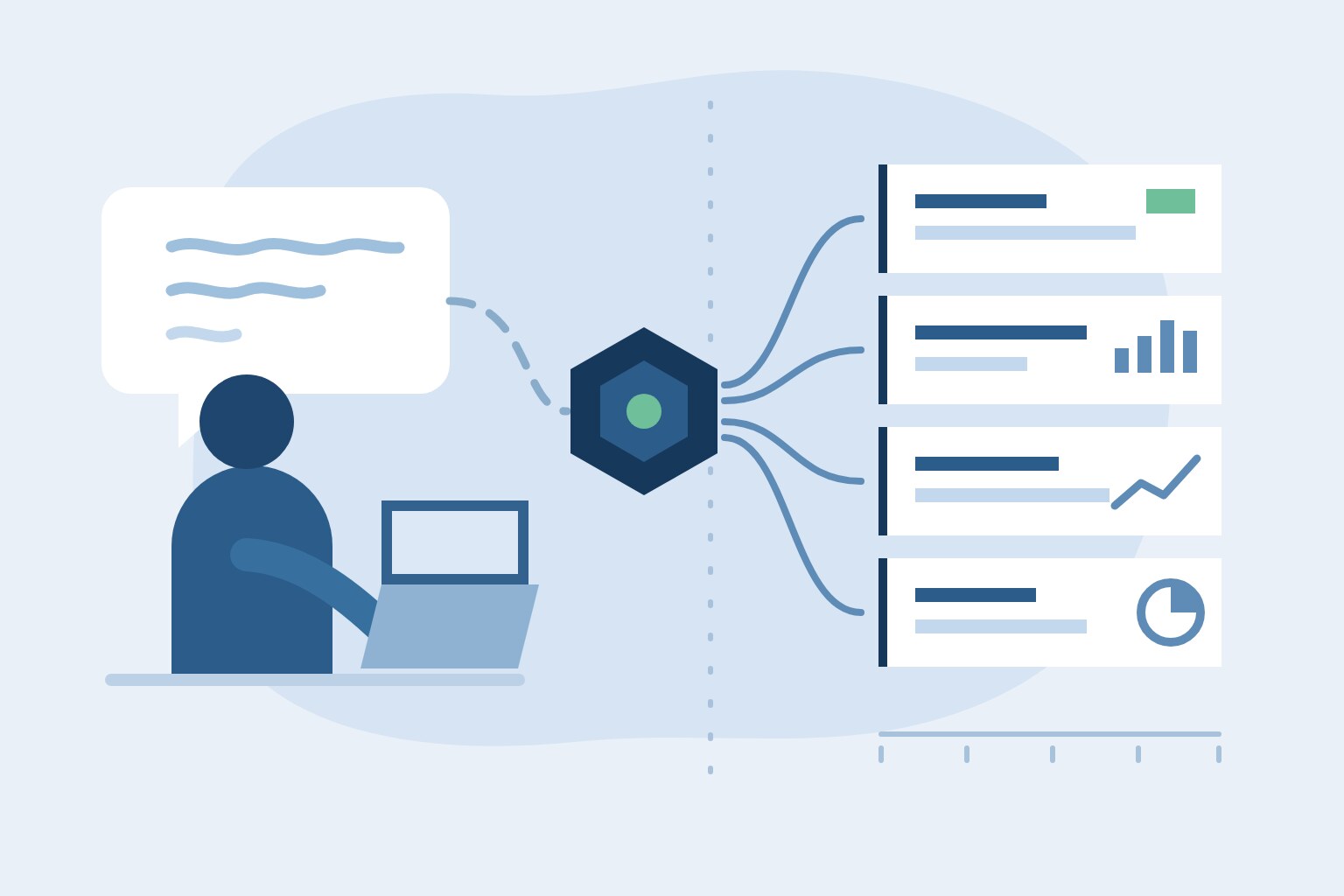
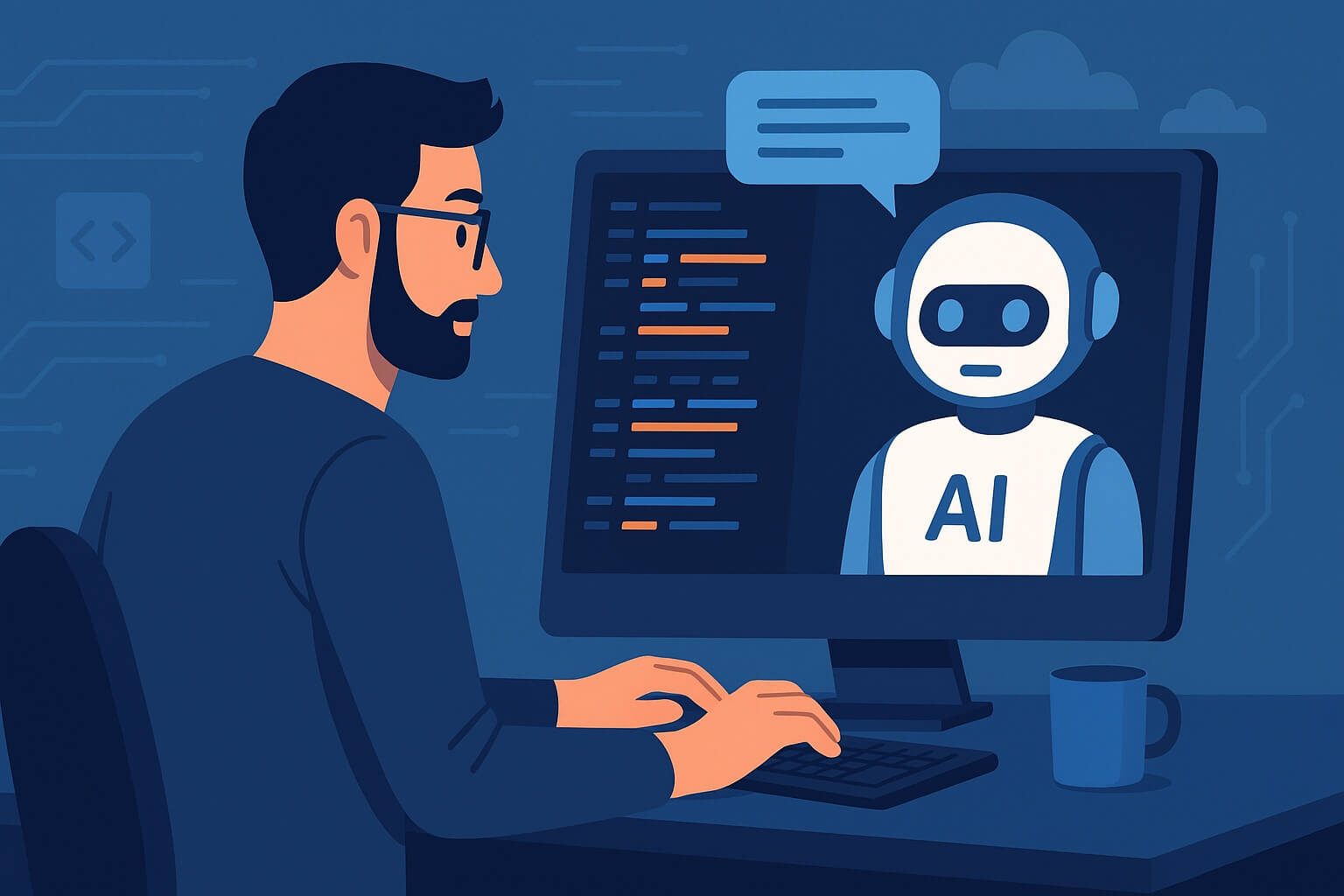
Prompting is hard, and these models still get things wrong. You get some random stuff back, and that's exactly why an engineer's judgment is so critical. They don't just prompt. They guide, validate, and fix things. They use their fundamental knowledge to tell the difference between a great idea and a subtle bug in the code an AI spits out. An engineer gives the AI a problem, and the AI helps get it done. But the human is still the architect and the one responsible for quality.
That ability to think abstractly and solve real problems is what separates an engineer from a coder.
Anyone who thinks a tool can replace the strategic and creative minds in our field just doesn't get it. The future isn't about replacement; it's about augmentation. The most valuable people will be the ones who master combining their core skills with what AI can do, and create things that neither of us could build alone.